Weeds: Black Locust
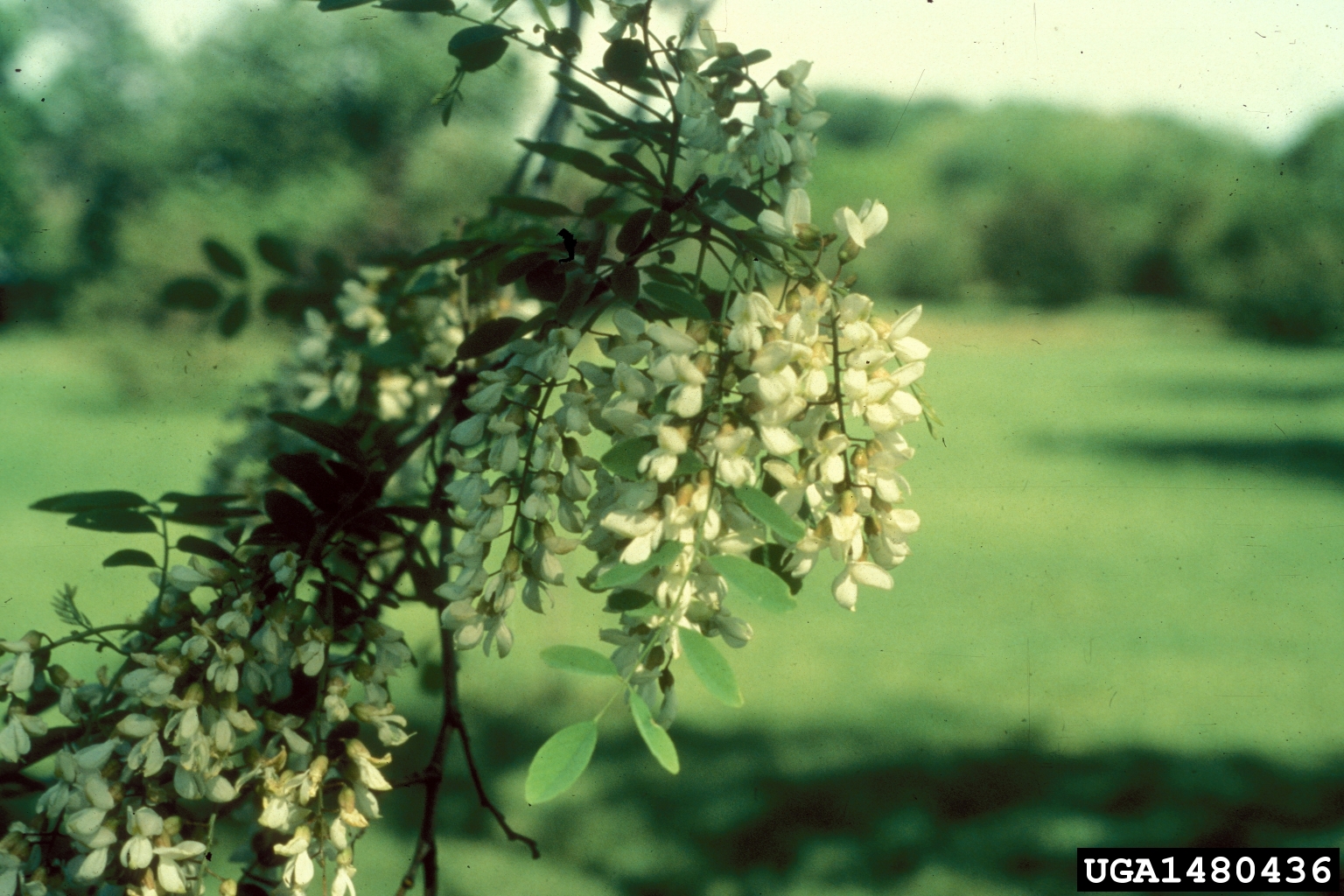
Photo by: Richard Webb, Bugwood.org
Biology
Black Locust is a deciduous, flowering tree. It grows 30 to 50 feet tall and 25 to 35 feet wide. Trees have an upright growth habit with mature trunks reaching 3-4′ diameter. They often grow in groves with new trunks growing from the root system and from seeds. Bark on twigs and smaller branches is reddish-brown to brown while bark on mature trunks and limbs is gray to black and deeply furrowed.
Black locust flowers are very fragrant, 1” wide white pea-like blooms, clustered on 5-8″ racemes hanging from branches. They bloom from April to June depending on the location.
Fruits are smooth and flat, appearing similar to pea pods, but brown to black in color. They grow to 4-inches long and are seen from July to November. Seed pods may persist through winter. The seeds inside are glossy brown.
Leaves are pinnately compound with blue-green oval leaflets attached to a center rachis (stem) in pairs opposite each other. Modified stipules form pairs of ¼” to ½” spines at the leaf nodes.
Black locust and honey locust are separate tree species that share some but not all characteristics. Honey locust trees are not considered invasive in Washington state
- Spines on black locusts are limited to the leaf nodes while the thorns of the honey locust are completely absent on most cultivars or if present, are spread all over the tree.
- Black locust spines are less than 1” long, while honey locust thorns are 2-4″ long.
- Black locust flowers are fragrant, white, and grow on racemes 5-8″ long. Honey locust flowers are greenish yellow and grow to 2” long.
- Both trees have compound leaves with a central stem (rachis).
- Leaves of the black locust trees are pinnate compound leaves, while the honey locust tree has both pinnate and bipinnate compound leaves.
SPECIAL INFORMATION:
- Black Locust is a Class C noxious weed in Washington state
- Visit the Washington State Noxious Weed Board – Black Locust for more information about noxious weeds.
- The bark, seeds, and leaves of black locust trees are toxic. Toxins may affect livestock, pets, and humans, but human poisonings are extremely rare. The toxins cause symptoms from gastrointestinal distress to nervous system disorders and should be treated by a medical or veterinary professional as soon as possible. Reactions are typically caused by ingestion, but a few reactions have been reported by skin punctures from prickles.
Habitat
Black Locust often colonizes disturbed sites, growing in virtually any soil condition except permanently wet. Plants fix nitrogen in the soil which allows them to establish even in poor nutrient conditions. They prefer full sun and struggle on shady sites.
Black locust spreads by underground roots that grow new stems. This generally starts at 4-5 years of age. Plants also reproduce via seeds which remain viable in the soil for 80 years or more.
Management Options
See "Using Integrated Pest Management (IPM) in the Landscape" for successful problem management techniques.
Non-chemical Management
Select non-chemical management options as your first choice!
- Choose native species as alternatives to planting black locust
- Hand pulling or digging seedlings is effective only when all roots are harvested.
- Cutting trees alone is ineffective in the long term because plants resprout from roots.
- Removal of mature trees is expensive and usually ineffective without the use of herbicides. Consult a certified arborist about removing mature trees
- Cutting sprouts and suckers takes multiple years to exhaust stored energy reserves and is usually not effective at getting rid of black locust.
Chemical Management
IMPORTANT: Always read and follow label directions when working with pesticides.
For more information on using pesticides visit :
- Apply according to label directions
- Make sure that the application site is on the pesticide label.
- Homeowners should not make foliar applications to trees over 10 ft. tall
- Consult a commercial pesticide applicator for treatment of trees and shrubs over 10 feet tall
- Consult with a certified arborist if a mature tree is to be removed.
- Do not spray suckers if the mother tree is not on your property.
- Some triclopyr formulations may have restrictions for use. Please review the label carefully.
Landscape areas
- triclopyr
Turf areas
- No products listed.
Bare ground areas
Additional Images
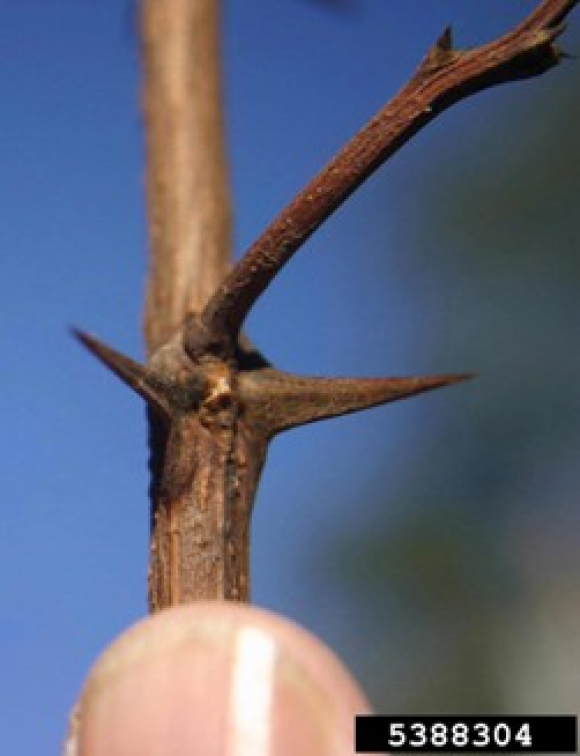
Photo by: William Fountain, University of Kentucky, Bugwood.org
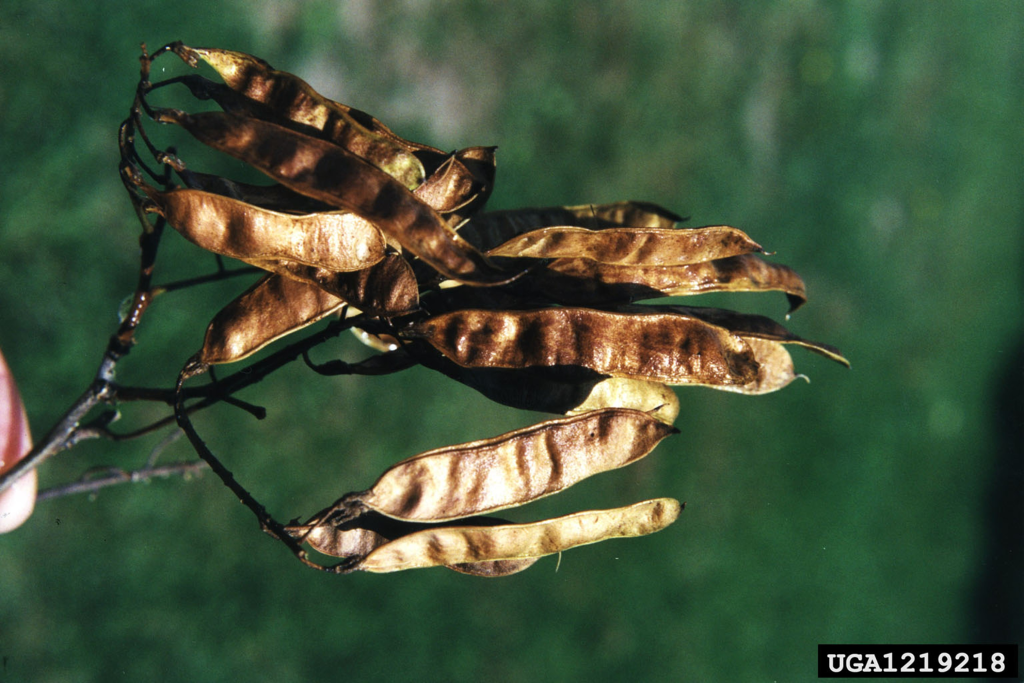
Photo by: Bill Cook, Michigan State University, Bugwood.org
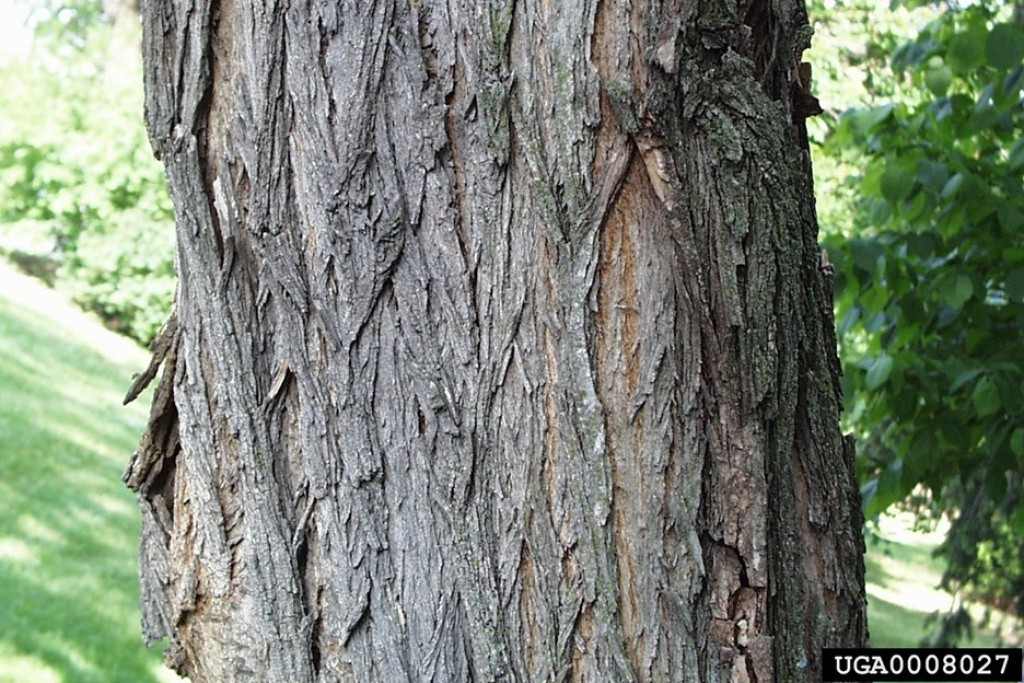
Photo by: Paul Wray, Iowa State University, Bugwood.org
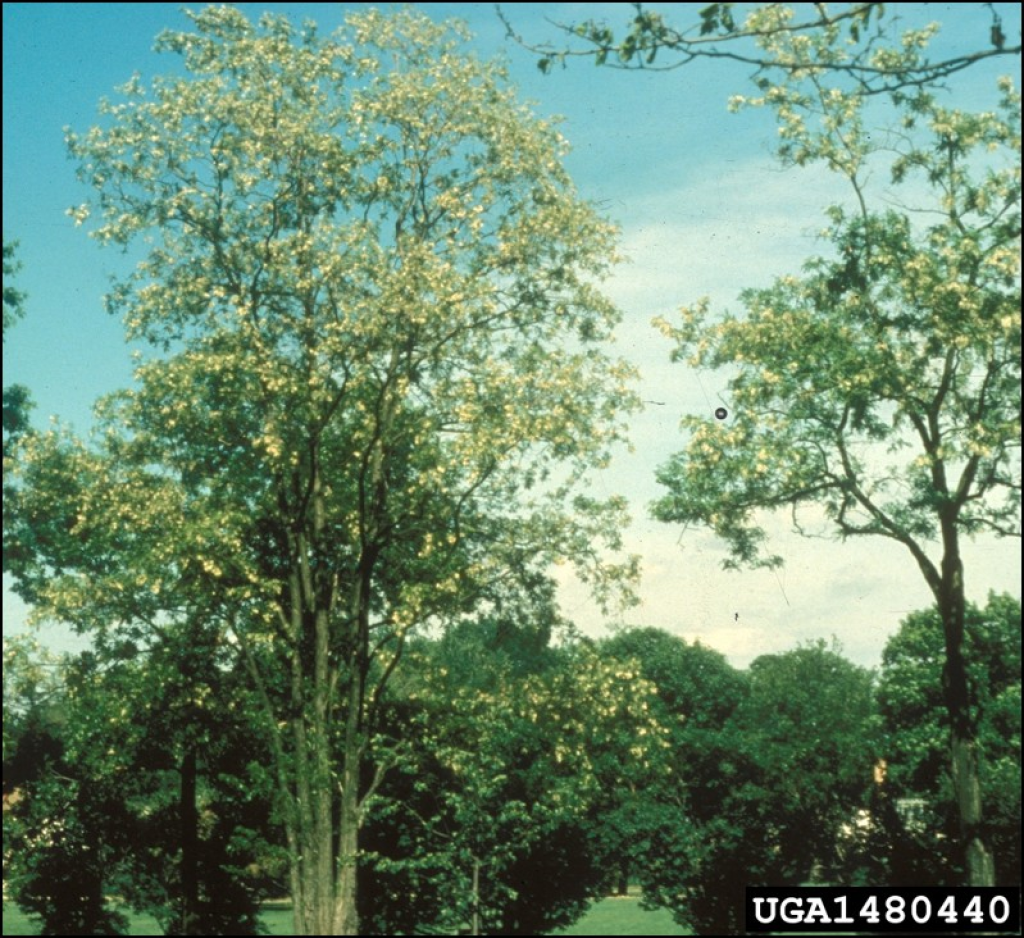
Photo by: Richard Webb, Bugwood.org
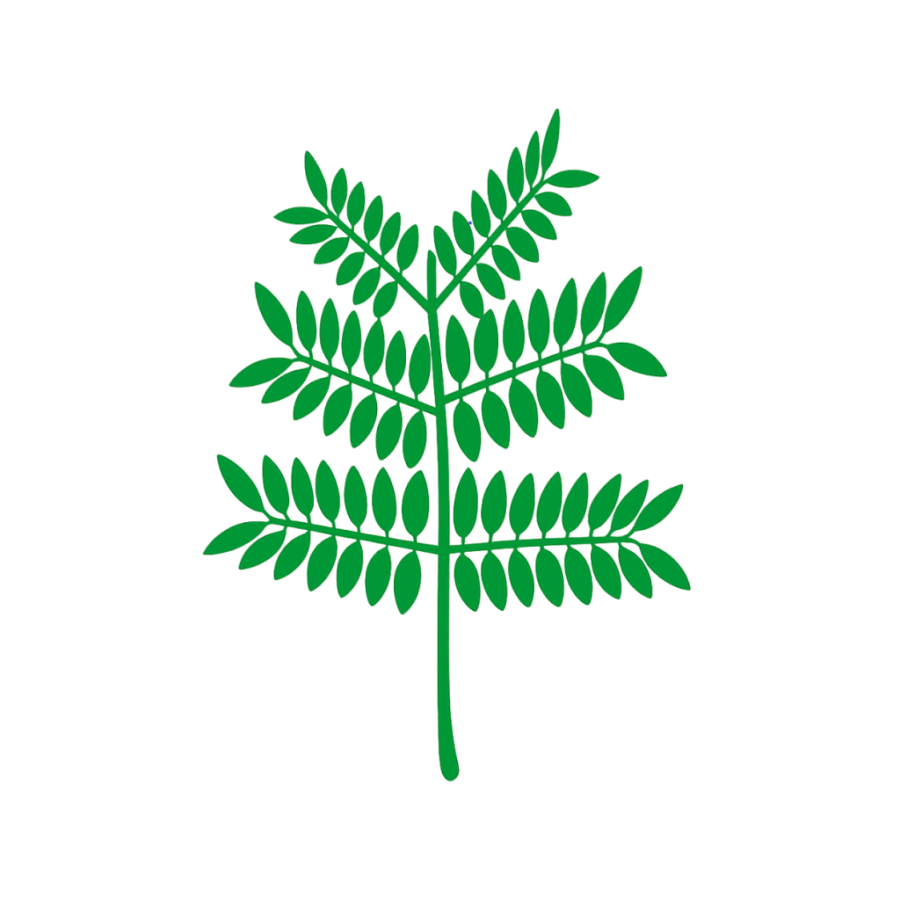
Leaf image courtesy of Eric Bajart
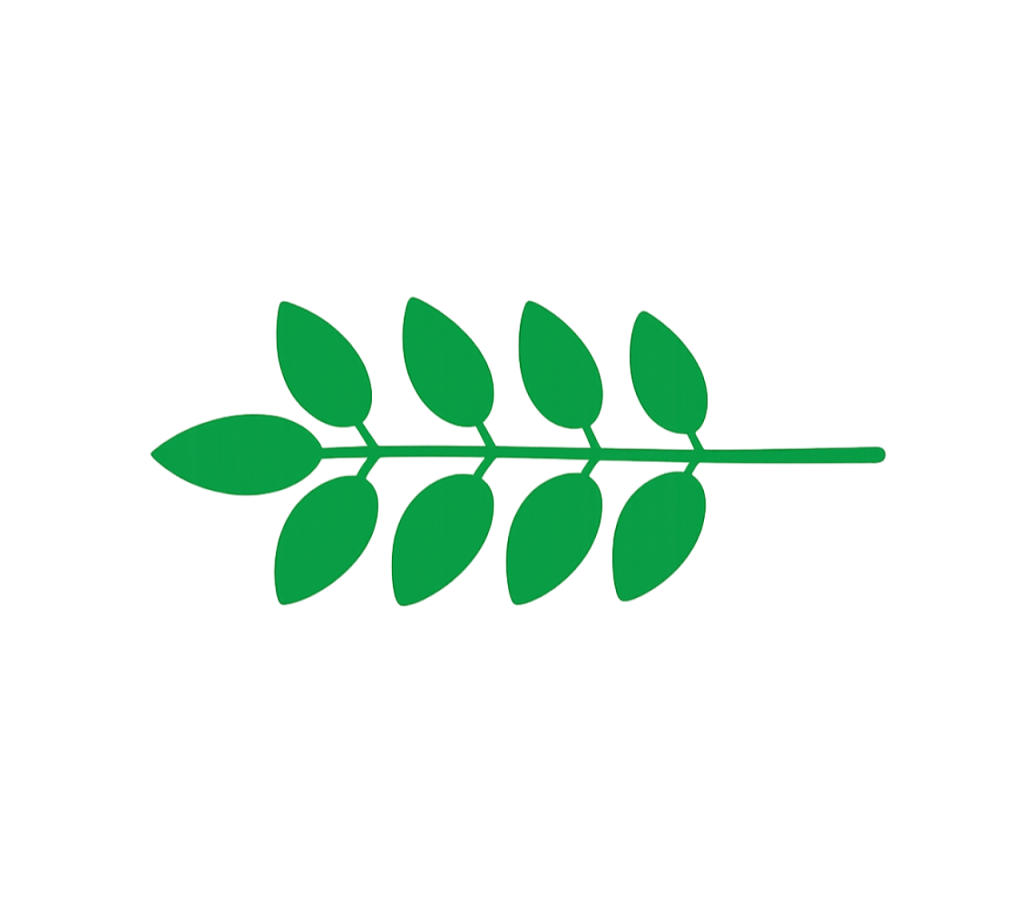
Leaf image courtesy of Eric Bajart

WSU Extension programs and employment are available to all without discrimination.
Evidence of noncompliance may be reported through your local Extension office.