Japanese Beetle
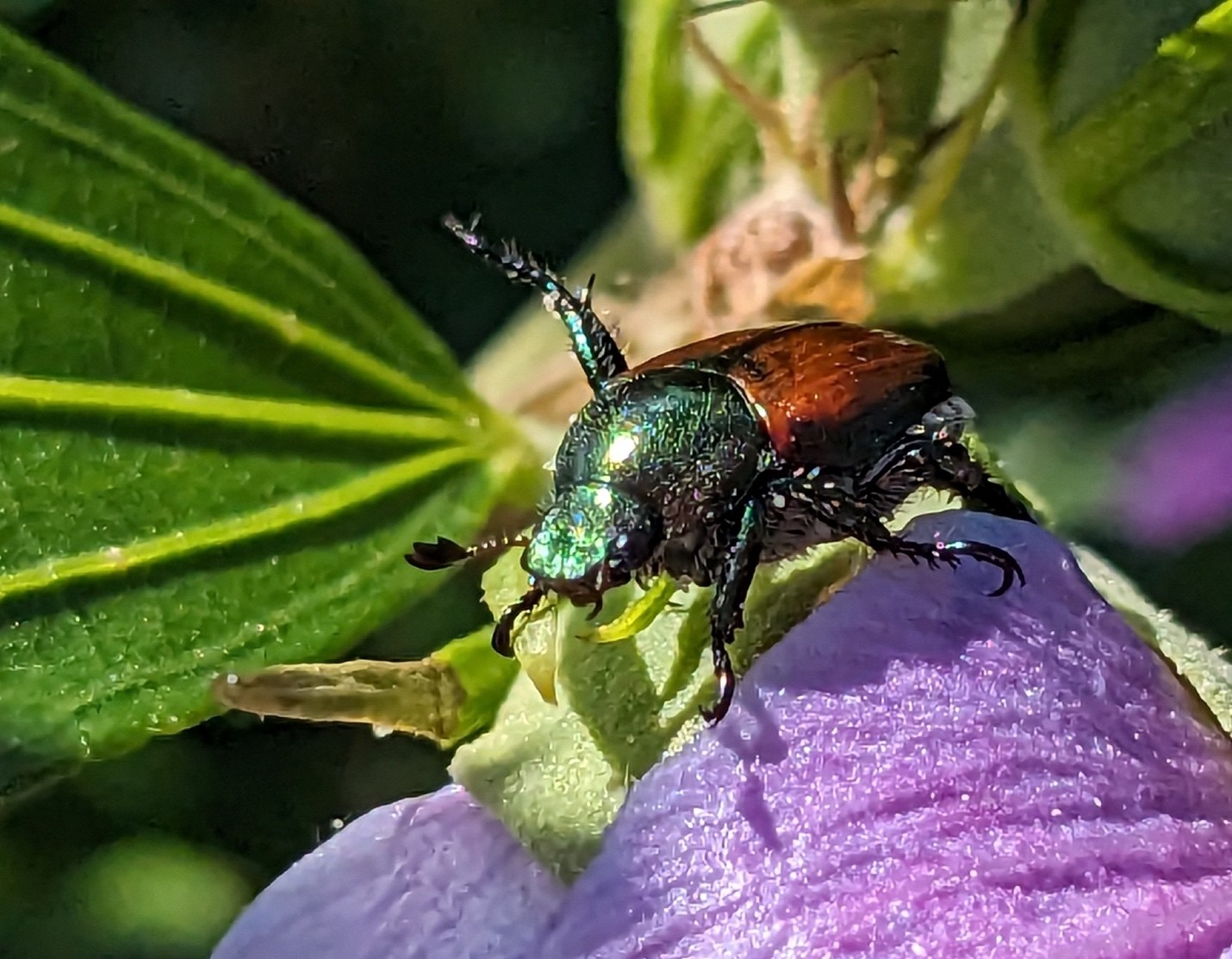
Photo by: ©softmoth/iNaturalist
Biology
The Japanese beetle (Popillia japonica) is easily one of the most devastating invasive pests in the eastern United States. The beetles aren’t yet established in the western United States, but localized infestations do happen here. Washington and Oregon have instituted aggressive eradication campaigns to monitor and eliminate the pest before it can firmly establish a population in the Pacific Northwest.
What do they look like?
Adult Japanese beetles have a striking appearance with a metallic green body and coppery brown wing covers (elytra). The beetles have 12 white “spots” around the edges of their bodies. These are tufts of white hair that stick out from under the wing covers.
Japanese beetles are about ½ an inch long. Like all adult beetles, they have a small triangular plate (scutellum) where their wing covers meet at the top.
Japanese beetles and their scarab relatives feature antennas that look like clubs or fans (lamellate antennae). Male Japanese beetles usually have elaborate antennas with more sensory plates for picking up chemical messages from female beetles and male competitors. Males also sport a sharp spur on the front legs that helps them hang on while mating.
Japanese beetle larvae, or grubs, are cream-colored and about 1 inch long when fully developed. Newly hatched larvae may be as small as 1/8 inch. These larvae feature a brown head and curl into a C shape at rest. Their three pairs of legs attach at the front of their bodies. It’s difficult to tell apart Japanese beetle grubs from their scarab relatives. Entomologists identify them by examining the underside of a grub’s abdomen with a hand lens, looking for a crescent-shaped anal slit and two rows of hairs that grow in a V shape.
Where do you find them?
Adult Japanese beetles live aboveground, feeding on leaves and flowers. They’re generalist feeders with voracious appetites. They’re known to chow down on more than 300 different species of plants and trees.
Adult Japanese beetles usually only fly short distances to feed or lay eggs. But they can fly several miles to infest new areas.
Japanese beetle larvae, or grubs, live underground where they feed on grass roots. Their damage prevents grass from absorbing water and nutrients, producing drought-like symptoms: wilting as well as yellow or brown patches that don’t improve with watering.
Heavy feeding by these grubs can damage the grass root system to the point that the turf can be lifted or rolled back. Another clue is damaged turf caused by other animals (skunks, raccoons, etc.) digging up the lawn to feast on grubs. Japanese beetles seem to prefer the high-quality turf found in some home lawns as well as well-maintained, irrigated spaces like parks, golf courses, and cemeteries.
What is their life cycle?
Beetles have four life stages: egg, larva, pupa, and adult. They undergo complete metamorphosis, or a big change prior to adulthood.
Female Japanese beetles lay eggs in late spring or early summer. They burrow 2 to 3 inches into the ground to access moist soil. That keeps the eggs and larvae from drying out. While eggs and young larvae are more sensitive, older larvae can travel into deeper, wetter pockets of soil to survive dry conditions.
The larvae hatch and spend about 10 months feeding on grass roots and growing. They reach about 1 inch in length by the end of summer. During the fall, Japanese beetle larvae tunnel even deeper underground—guided by the dropping soil temps (below 60 degrees F). When the soil temperature reaches about 50 degrees F, the larvae become inactive and overwinter there.
As the soil begins to warm in the spring (above 50 degrees F), the overwintering larvae move back to the grass root zone. They feed for 4 to 6 weeks then pupate.
Adult beetles emerge from the soil in the spring. They immediately mate and begin laying eggs.
Why are they important?
Japanese beetles are serious invasive pests. They were accidentally imported into the United States before 1912, at a time when agricultural imports like iris bulbs weren’t strictly inspected. In their native Japan, natural predators like wasps keep the beetle population in check. Those predators don’t live here, so while birds and other animals pick off some beetles, they don’t have any significant natural pressure controlling their numbers.
Both adult and juvenile Japanese beetles are destructive. The larvae destroy the root systems of turfgrasses. The adults feed on many kinds of plants, resulting in heavy defoliation. They feast on the soft, meaty leaf tissue and leave behind the leaf’s veins, a pattern called skeletonization. This destroys the pigments and cell structures the plant needs to perform photosynthesis. It may shock the unaffected parts of the leaf and inhibit photosynthesis there, too.
Japanese beetles also feed on other parts of plants and trees, including the leaves, stalks, flowers, and fruits. This damage may kill or ruin the appearance of plants. It may decimate produce, including high-value crops. Plus, well-fed beetles are more likely to reproduce, spreading the infestation, including to local growers.
Washington state is working hard to monitor and eradicate outbreaks. Residents can help by monitoring lawns, crops, and trees for beetles and grubs as well as signs of feeding activity. Collect adult beetles by hand and deposit them into soapy water to euthanize them. You can also install traps that use flower scents and pheromones to lure Japanese beetles.
- Any captured Japanese beetles should be reported to WSDA.
It’s important to know and follow quarantine guidelines for Yakima and Benton counties. These specific guidelines address moving soil, plants, and plant waste in those areas, especially at times when beetles are active (May 15 through October 15). If you live or work in those areas, familiarize yourself with quarantine guidelines and always use a yard debris drop-off to dispose of yard waste. When you leave the area, you should inspect your vehicle for hitchhiking Japanese beetles and cover your load.
- Residents or growers in affected counties may consent to free treatment for Japanese beetles. Check the WSDA treatment map and reach out to WSDA to receive these services.
- Sign up for Japanese beetle updates from WSDA to keep up to date.
- Want to see some Japanese beetles in action? Check out this video with Nebraska Extension entomologist Jonathan Larson
Management Options
See "Using Integrated Pest Management (IPM) in the Landscape" for successful problem management techniques.
Non-chemical Management
Select non-chemical management options as your first choice!
- Hand collect adult beetles and drop them into soapy water. Report them to WSDA.
- Use row covers as a physical barrier for smaller fruit crops. These fabric plant covers exclude adult Japanese beetles to prevent leaf and fruit damage.
- When possible, install plants that are less susceptible to Japanese beetles. Monitor plants that are susceptible to Japanese beetles, especially when beetles are active (May 15 through October 15) and in areas affected by them.
Biological and Biochemical Controls
- Use pheromone traps to lure and collect adult beetles. Report them to >WSDA.
- Some biological control may work for Japanese beetle larvae, including predatory nematodes and Bacillus thurigiensis (Bt) bacteria.
- Some governments and universities import native parasitoids wasps and flies to introduce natural predators of Japanese beetles. Residents can support these efforts by planting and protecting nectar sources (like peonies) and limiting the use of broad-spectrum insecticides.
Chemical Management
IMPORTANT: Always read and follow label directions when working with pesticides.
For more information on using pesticides visit :
- Use the appropriate pesticide for the application and timing.
- May to mid-July: treat with preventative
- other months: treat with curative
- summer months: treat with a pesticide that targets adults
- Make sure the label lists Japanese beetle as a target insect.
- Follow the label directions for treatment as well as precautions to take to protect pollinators.
- To target adult beetles, use pesticides with the following active ingredients: pyrethrins, cyfluthrin, taufluvalinate, zeta-cypermethrin, permethrin, spinosad.
- To prevent grubs, apply pesticide before adult beetles lay eggs in July and August. Active ingredients: chlorantraniliprole and gamma-cyhalothrin.
- To kill grubs when present (September to May), use pesticides with the following active ingredients: trichlorfon, zeta-cypermethrin, Bifenthrin, permethrin.
- For an option that uses Bacillus thuringiensis as the active ingredient, see products like grubHALT.
- Spectracide Acre Plus Triazicide Insect Killer for Lawns Granules (listed below) is a specific product labeled for Japanese beetle grubs with gamma-cyhalothrin as the active ingredient.
Approved Pesticides
If you choose to use a pesticide, some examples of products that are legal in Washington are listed below. Some products are labeled for just INDOOR or just OUTDOOR use, or may allow both uses. Be sure to choose a product appropriate for your situation. Always read and follow all label directions.
Additional Images
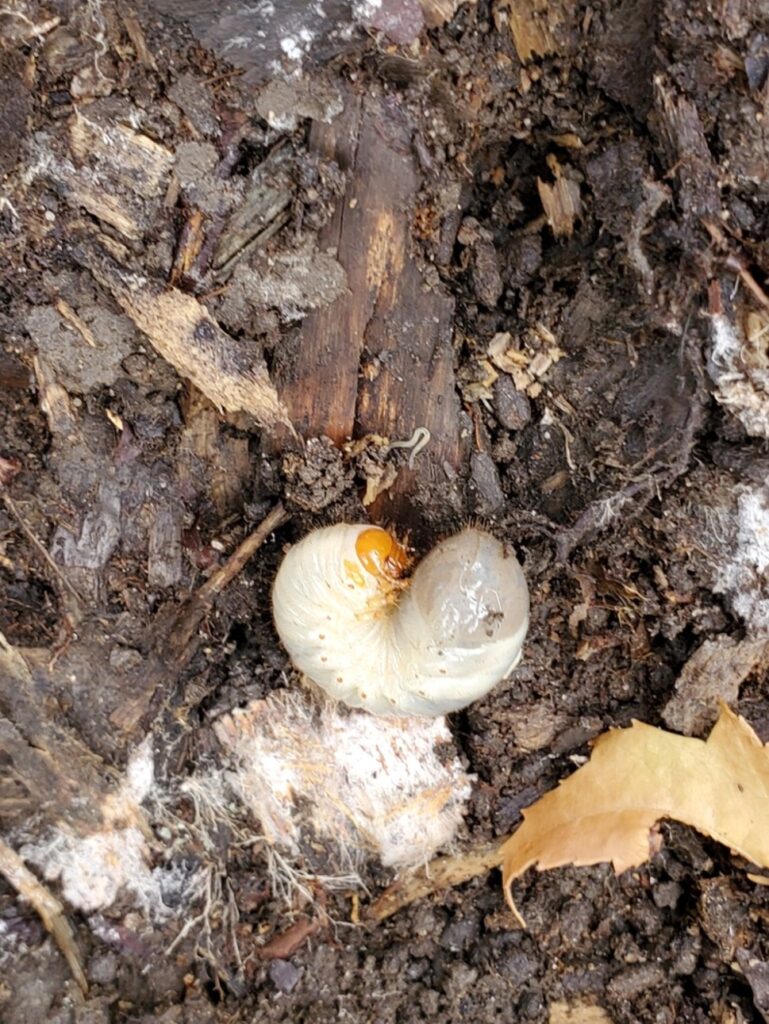
Photo by: ©altonyd/iNaturalist
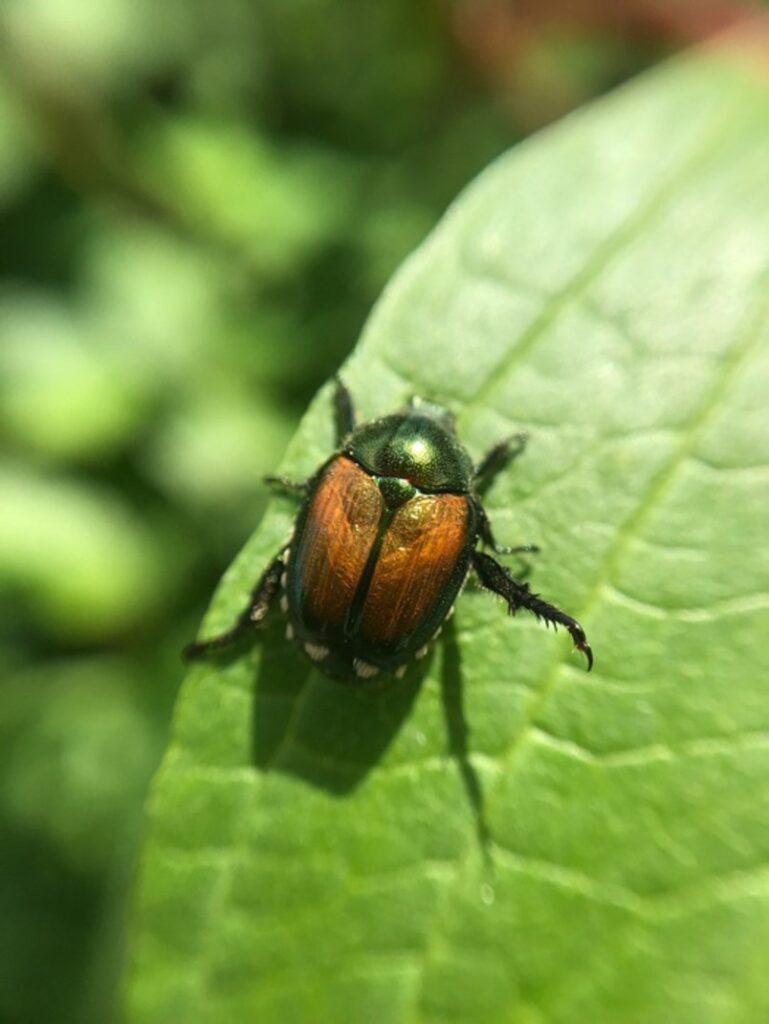
Photo by: ©gwentomologist/iNaturalist
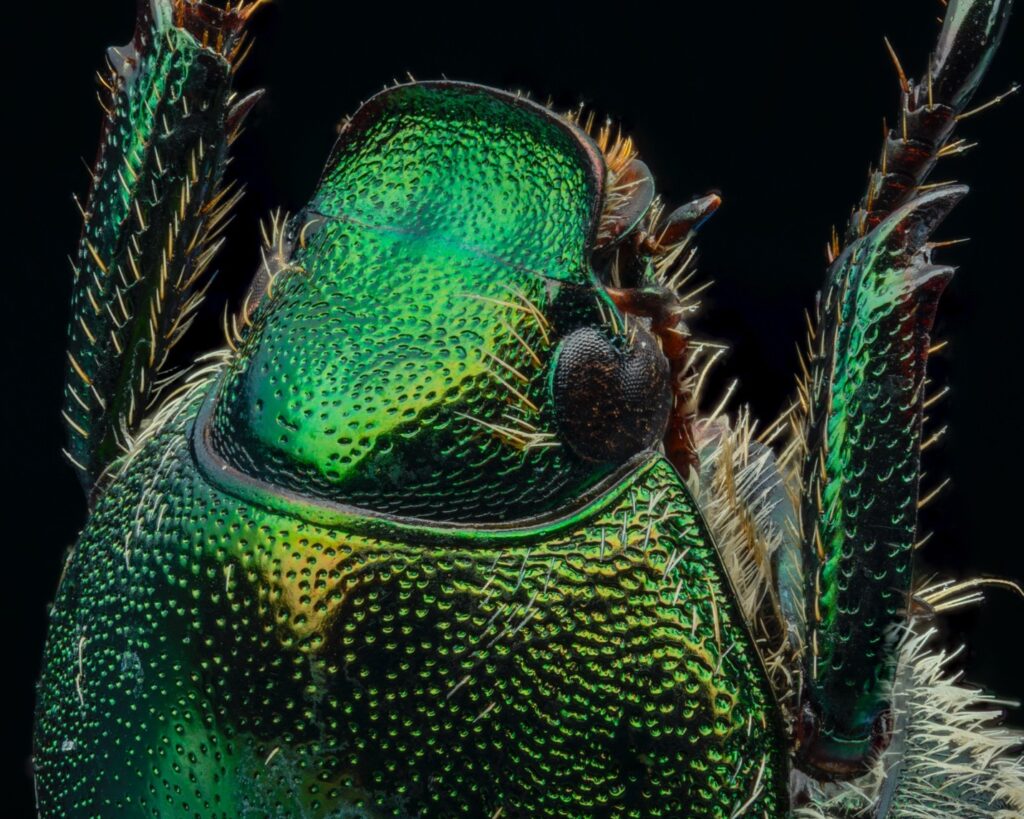
Photo by: ©dotymade/iNaturalist
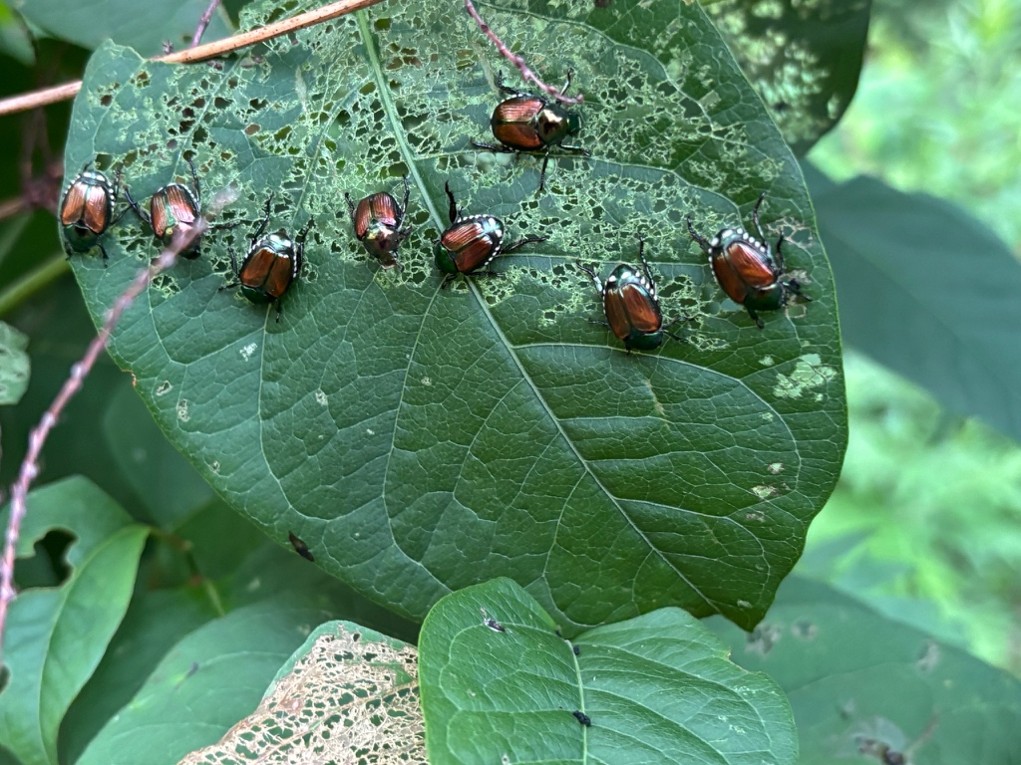
Photo by: ©aidenbanaiden/iNaturalist, ©bugwood
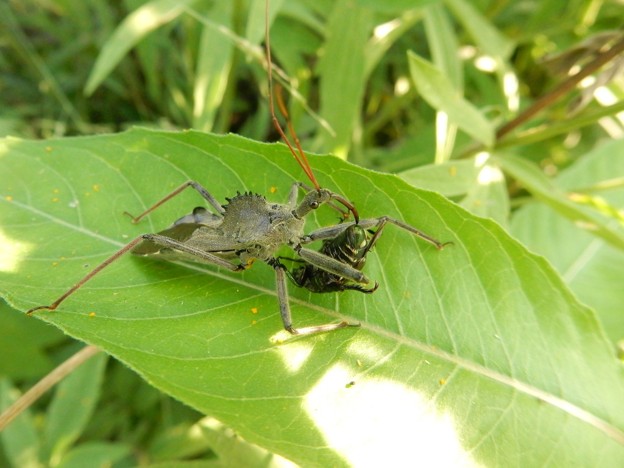
Photo by:©someidiottookzorro/iNaturalist
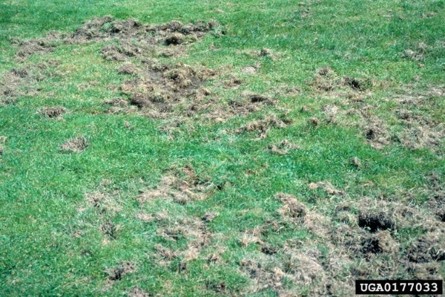
Photo by: ©aidenbanaiden/iNaturalist, ©bugwood
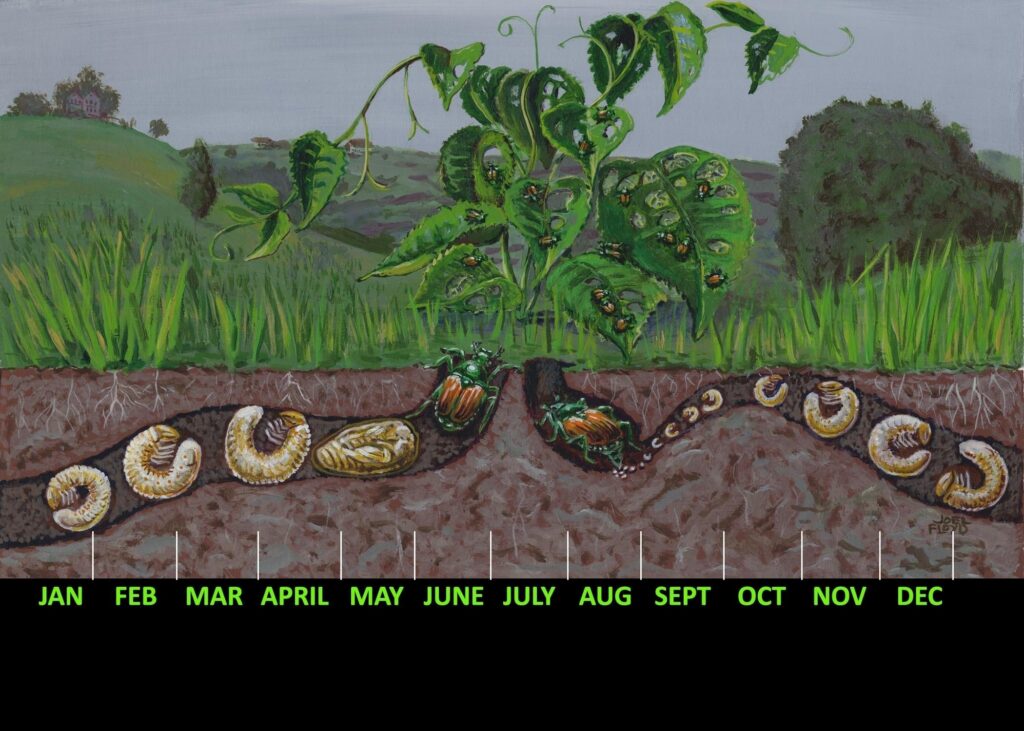
Illustration by: Joel Floyd, USDA APHIS.
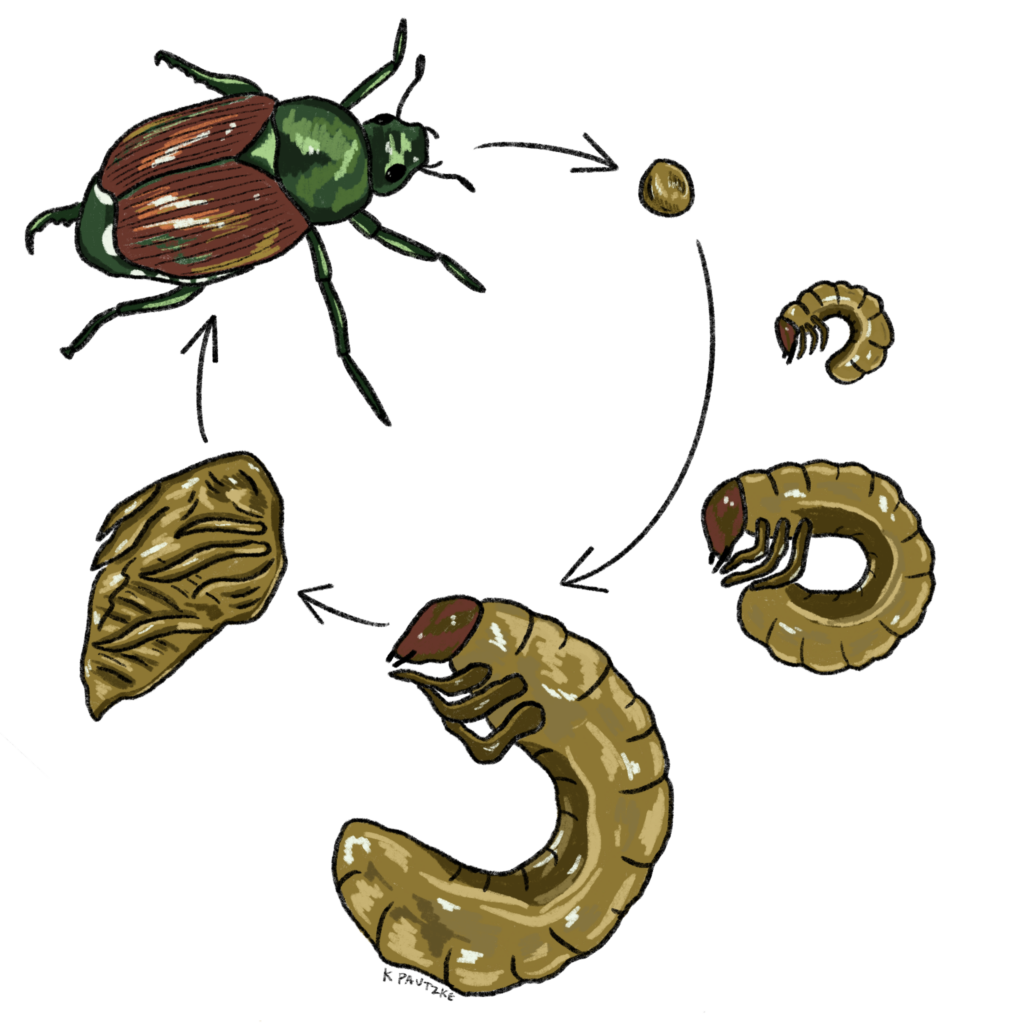
Image by: K.Pautzke, WSU

WSU Extension programs and employment are available to all without discrimination.
Evidence of noncompliance may be reported through your local Extension office.