Common Cultural: Morphological changes
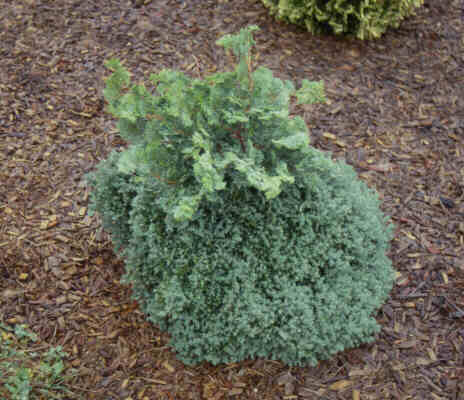
Photo by: R. Maleike
Biology
Plant parts may significantly change as a juvenile (seedling) progresses to the adult (flowering/fruiting) stage of growth. Some of the more dramatic changes exhibited by plants include winter leaf retention of deciduous plants (oak, beech, etc.), change of leaf shape (English holly), and the transition of needle-like to scale-like leaves on junipers and false cypresses.
Variegated plants may revert to their all-green form, and vice versa. Morphological changes are healthy and natural stages of plant development.
Management Options
See "Using Integrated Pest Management (IPM) in the Landscape" for successful problem management techniques.
Non-chemical Management
Select non-chemical management options as your first choice!
- None recommended
Chemical Management
IMPORTANT: Always read and follow label directions when working with pesticides.
For more information on using pesticides visit :
- None recommended
Additional Image
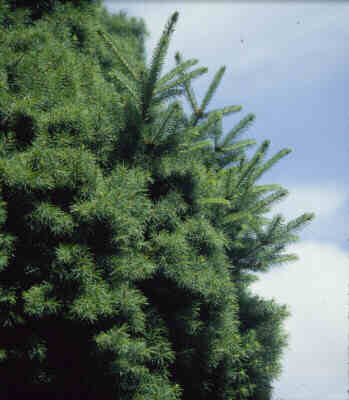
Photo by: R. Maleike

WSU Extension programs and employment are available to all without discrimination.
Evidence of noncompliance may be reported through your local Extension office.