Ash: Emerald ash borer (EAB)
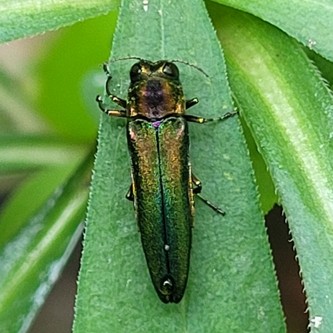
Photo by: Open source
Biology
The emerald ash borer (EAB, Agrilus planipennis) is a serious invasive pest. This destructive beetle decimates true ash trees. In the Pacific Northwest, EAB was confirmed in Oregon in 2022, in Washington (Vancouver) on August 19, 2026 and Walla Walla County, Washington on October 14, 2026.
What do they look like?
Adult emerald ash borers are small jewel beetles. At approximately 1/3-inch long, they’re described as about the size of a cooked grain of rice.
The most striking feature of an EAB beetle is its bright metallic green color, which can range from dark green to coppery green. Like all beetles, these have a pair of membranous wings tucked under hardened wing covers (elytra). When the wings spread, a vivid red abdomen becomes visible. These beetles have serrated antennas, which means they have segments that look like the teeth of a comb.
- Check out the Washington Invasive Species Council’s Look-Alike Guide to help discern if a particular metallic green beetle is likely EAB.
Where do you find them?
The emerald ash borer life cycle is inextricably tied to true ash trees (Fraxinus genus). In the Pacific Northwest, vulnerable trees include Oregon ash, green ash, white ash, and black ash. Mountain ash is not a true ash tree and therefore is not vulnerable to EAB.
Adults emerge from ash trees in late spring, when there have been 400 to 500 degree days in with temperature is above 50 degrees F. This emergence pattern reaches its max after 1,000 days at this temperature.
Adult EABs spend about a week feeding on ash tree foliage. Then they mate and spend about 6 weeks laying eggs. During the rest of the year, adult EABs aren’t likely to be sighted—but their larvae persist, chewing burrows inside ash trees. The catastrophic damage to ash trees occurs during the larvae stage of the beetle’s life cycle.
What is their life cycle?
Emerald ash borers are beetles from the order Coleoptera. They have four life stages: egg, larva, pupa, and adult. They undergo complete metamorphosis, or a big change before adulthood.
In the spring, female EABs deposit eggs in the cracks and crevices of ash tree bark. Most lay 40 to 70 eggs within their lifetime, though particularly successful individuals lay many more.
The eggs hatch after about 2 weeks. The larvae that emerge are cream-colored grubs with a brown head and no legs. The body is flattened with bell-shaped segments.
The grubs immediately begin chewing through the tree’s bark and inner layers. As they feed on the tree’s tissues, they dig out channels called galleries. They’ll move and feed like this for 1 to 2 years, depending on the climate. During this time, each grub will undergo four growth stages, or instar.
In the fall, mature grubs dig out chambers. They fold themselves into a j-shaped pre-pupa. They’ll overwinter like this. Then they’ll transform into pupa and, eventually, adults in the spring. In cooler climates, grubs may overwinter once as larvae and then overwinter again as pre-pupae the following year.
Adult EABs emerge in late spring. They spend about a week feasting on ash leaves. Then they mate and begin laying eggs.
Why are they important?
Emerald ash borers are serious invasive pests. Outside its native range in Asia, EABs cause extensive destruction to ash trees. EAB has already killed hundreds of millions of ash trees in North America. In Washington, it could decimate forests and wetlands.
Experts say eradicating this invasive pest is not feasible. The goal is to slow its spread, so that communities have time to make and enact management plans. Left to its own devices, EAB will kill 90% to 100% of an area’s ash trees within 10 to 12 years.
Adult emerald ash borers feed on ash tree foliage—but not at a seriously destructive level. The real problem is the juvenile (larvae or grubs) stage.
As EAB grubs tunnel through trees, gobbling up sapwood, they damage the tissues that move water and nutrients up and down the tree. Eventually, the tree loses its leaves and dies.
An infested and sick tree may die back from the top. It may sprout new growth from its base or produce an excess of seeds. Another sign is an uptick in woodpecker activity on a particular ash tree.
Emerald ash borers are only a minor nuisance in their native range. There, EAB and ash trees coevolved, so the trees have adapted strong resistance to the beetles. Plus, there are at least four parasitoids wasps that target EAB and keep their numbers in check.
Biocontrol using these stingless parasitoid wasps may be an option for public land managers, in coordination with USDA APHIS. Particularly valuable ash trees may be protected with an insecticide injection (emamectin benzoate), which must be done according to the label.
You can help by monitoring your ash trees for signs of EAB. Always report suspected infestations or sightings. Unhealthy ash trees are particularly vulnerable. Removing them slows the spread of EAB by eliminating a likely host.
Be careful when bringing wood into Washington state. No untreated firewood should enter the state, per the August 18, 2026 quarantine. It’s best to buy your firewood at your campsite rather than transporting it.
Read more about EAB and Washington state:
- Washington State Emerald Ash Borer Resources & Management Guide
- Emerald Ash Borer Look-Alike Guide
- The Emerald Ash Borer Network
- WSU Extension’s Managing Emerald Ash Borer in Washington State
Check out some EAB videos:
- Oregon Field Guide | Emerald Ash Borer Beetle
- NC State Extension | Identifying Emerald Ash Borer
Management Options
See "Using Integrated Pest Management (IPM) in the Landscape" for successful problem management techniques.
Non-chemical Management
Select non-chemical management options as your first choice!
- Monitor your ash trees for signs of EAB.
- Snap a pic and report possible EAB sightings to the Washington Invasive Species Council and/or your local WSU Extension office.
- Remove and dispose of infested ash trees. The wood must be heated to 133 degrees F for 30 minutes to kill larvae. It can also be chipped into 1-inch pieces.
- Do not bring potentially infested items—pallets, logs, firewood—into Washington.
- Pay particular care not to bring untreated firewood into Washington state, per the chapter 16-476 WAC Firewood Exterior Quarantine effective August 18, 2026.
- Buy firewood at your destination instead of transporting it.
Chemical Management
IMPORTANT: Always read and follow label directions when working with pesticides.
For more information on using pesticides visit :
- Stem injections of the insecticide emamectin benzoate are effective for high value ash trees following label directions closely.
- Application should be done at least 30 days before insects start being active to allow the insecticide to translocate throughout the tree. This can actively control pests for up to two years.
- Insecticide implants with active ingredients like acephate (an organophosphate) can also be used for larger trees.
- Read and follow all label instructions.
Approved Pesticides
If you choose to use a pesticide, some examples of products that are legal in Washington are listed below. Some products are labeled for just INDOOR or just OUTDOOR use, or may allow both uses. Be sure to choose a product appropriate for your situation. Always read and follow all label directions.
Additional Images
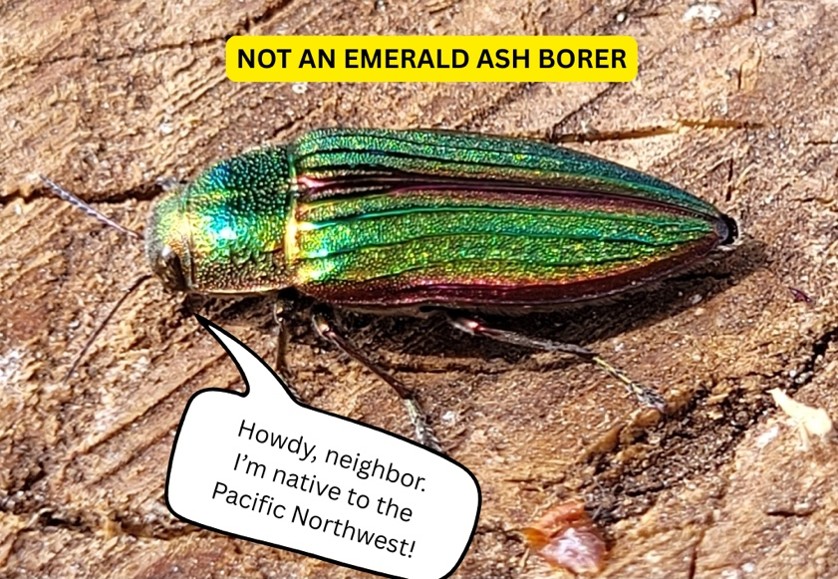
Photo by: Public domain
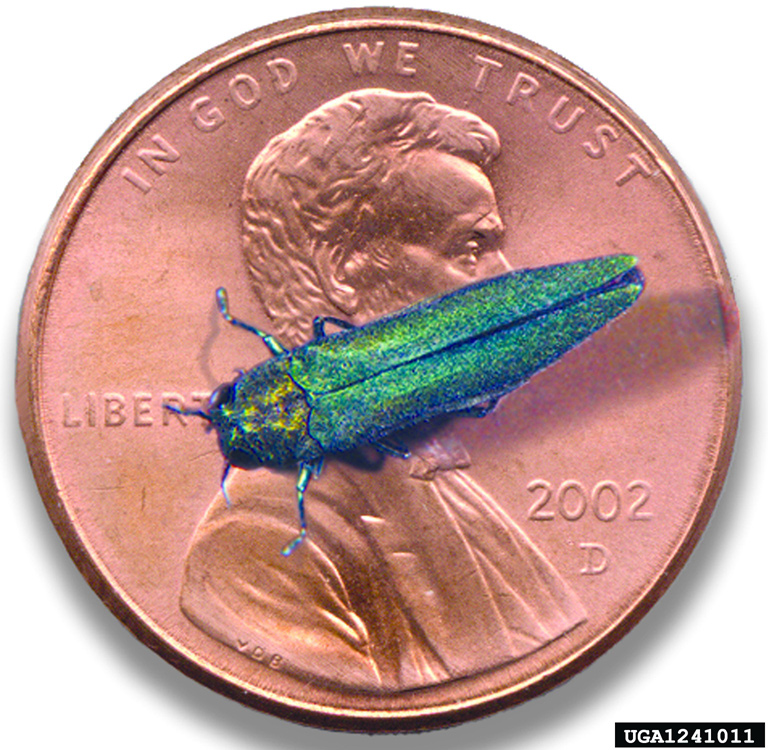
Photo by: Howard Russell, Michigan State University, Bugwood.org
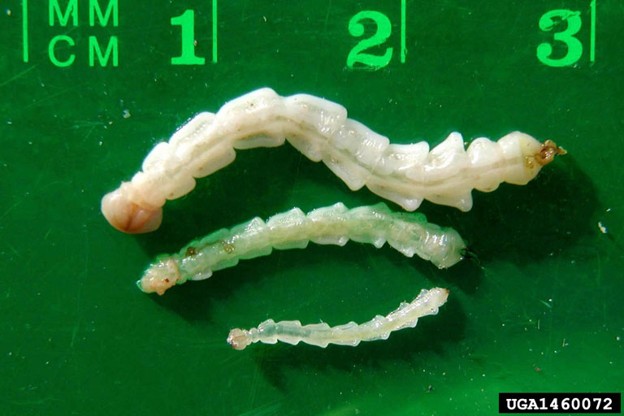
Photo by: David Cappaert, Quamash EcoResearch, Bugwood.org
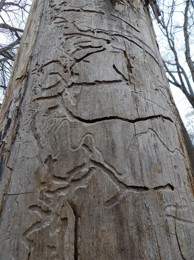
Photo by: Public domain
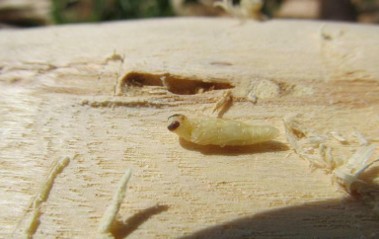
Photo by: Kenneth R. Law, USDA APHIS PPQ, Bugwood.org
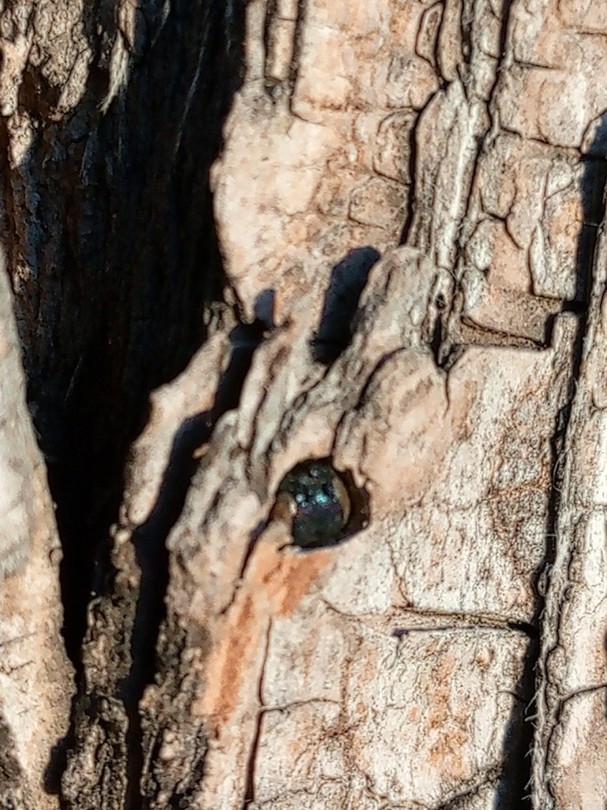
Photo by: Public domain
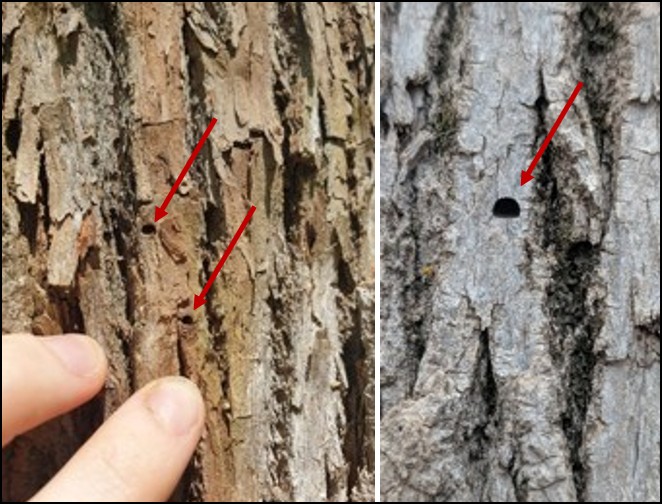
Photo by: Public domain
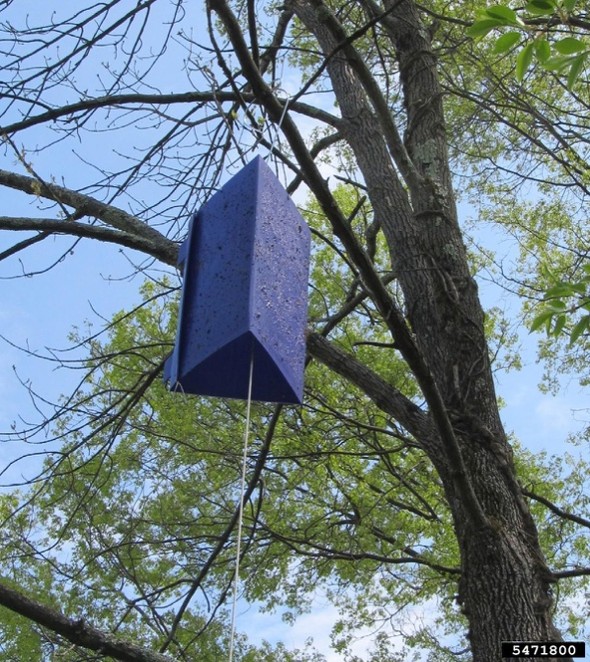
Photo by: Kenneth R. Law, USDA APHIS PPQ, Bugwood.org
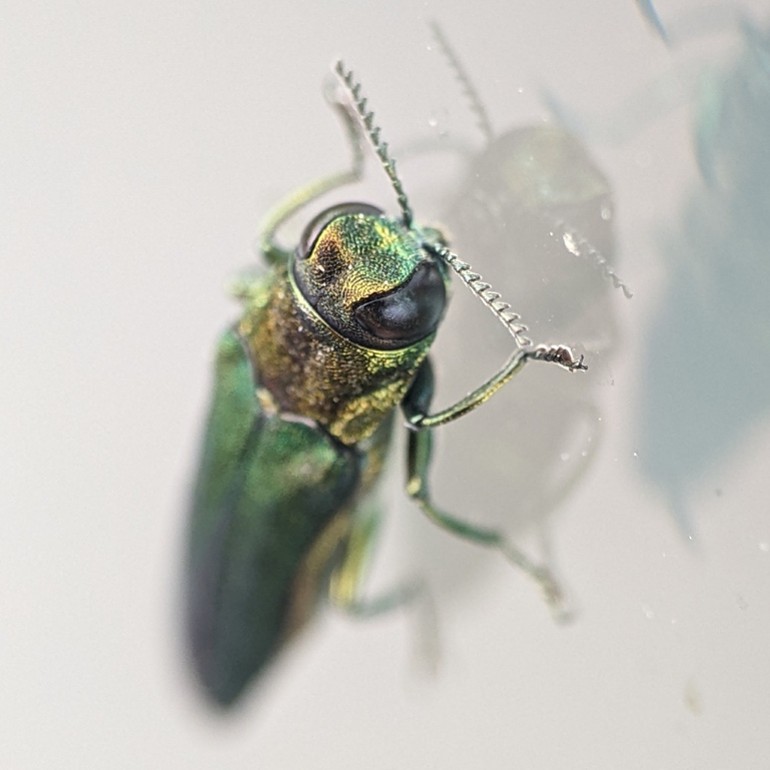
Photo by: Public domain
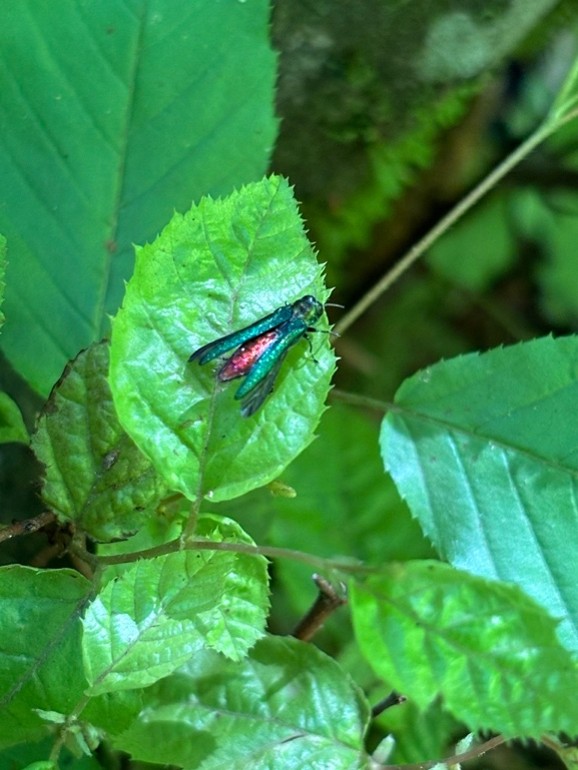
Photo by: Open Source
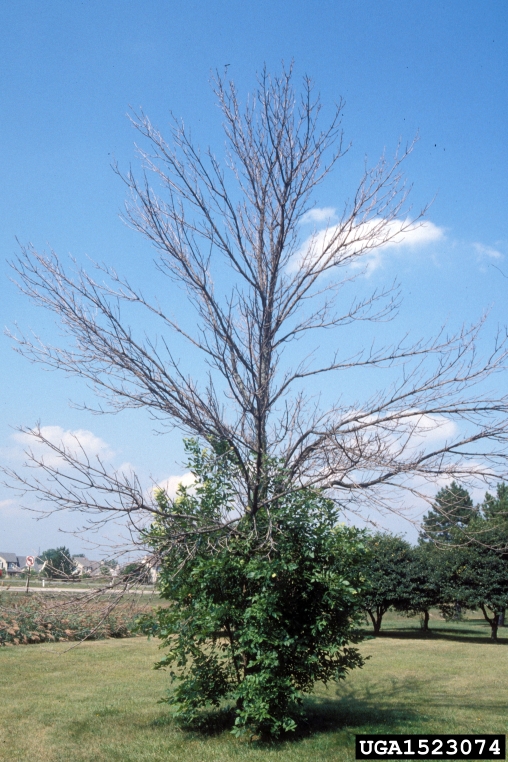
Photo by: Daniel Herms, The Ohio State University, Bugwood.org

WSU Extension programs and employment are available to all without discrimination.
Evidence of noncompliance may be reported through your local Extension office.