Lawn and Turf: European Chafer
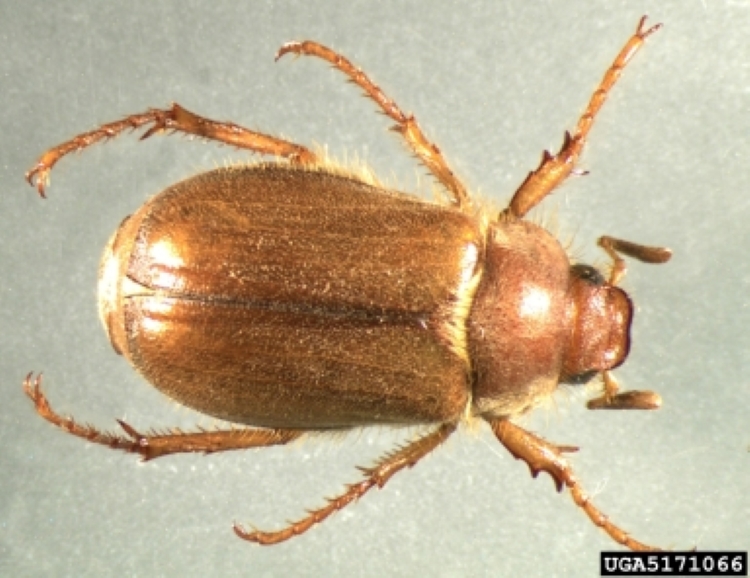
Photo by: Bugwood.org
Biology
The European Chafer is a newly introduced invasive turf pest that is spreading through the south Puget Sound region. The larvae of European Chafers are c-shaped grubs, with well-defined legs and head capsule. Eggs are laid in June through early August. Larvae hatch and feed on the roots and root crowns of turf plants. They will feed on other plant hosts but prefer cereal/grass plants.
Extensive feeding will cause brown to yellow spots in lawns that increase in size over successive years. These areas may eventually die and be invaded with weeds. European Chafers are more productive in stressed lawns. Well- maintained lawns can tolerate up to 20 grubs per square foot.
However, vertebrates like raccoons, crows, and skunks can cause significant damage to lawns as they tear up turf in search of chafer larvae to feed on. Lavae will feed throughout winter and begin to pupate in April and May. Adults emerge in June and can form mating swarms at dusk. Adults are about ½ inch long, scarab-shaped and are brick red to brown and tan. European Chafers have one generation per year.
Management Options
See "Using Integrated Pest Management (IPM) in the Landscape" for successful problem management techniques.
Non-chemical Management
Select non-chemical management options as your first choice!
- Crows, skunks, raccoons and other vertebrate predators often feed on European chafer larvae in lawns. This will reduce the number of grubs but may cause extensive damage.
- Reduce European Chafer problems by growing healthy turf.
- Water turf at least ¼ inch per application for an overall application of one inch per week as needed from Memorial Day to Labor Day.
- Apply appropriate fertilizers and mow regularly to reduce grass stress and maintain a healthy root system.
- Healthy lawns reduce European Chafer infestations and can tolerate some damage.
- Overseed areas that are damaged and reestablish the turf in fall and spring.
Chemical Management
IMPORTANT: Always read and follow label directions when working with pesticides.
For more information on using pesticides visit :
- If you suspect that you have a European Chafer problem, it is important to determine the level of grub infestation.
- When damage appears in fall and winter, sample lawns to estimate the average number of grubs per square foot by cutting three sides of a square in the lawn where grass is still intact, adjacent to the damage.
- Roll back the turf and count the grubs you find within that square.
- Sample several areas of the lawn to determine if there is a problem before making any chemical applications.
- Only make insecticide applications after the next generation’s flight and egg laying has occurred. This normally happens in August.
- If there has been a history of serious infestations, monitor grubs populations in mid-November to December when larvae are growing larger.
- Plan to make a preventative treatment next season with a recommended preventative insecticide if larval numbers exceed 25 to 30 per square foot for well-managed lawns.
- Preventative treatments applied in July – August after a problem population has been identified include:
- bifenthrin
- chlorantraniliprole
- cyfluthrin
- permethrin ** Toxic to cats when wet
- spinosad
- zeta-cypermethrin
- These products can be found in retail stores that sell garden products.
- First and foremost, make sure that these pesticide products are EPA-registered and registered in the state of Washington.
- Read the insecticide label completely, follow all label directions, and note special cautions or label restrictions.
- Confirm if the site of application (such as lawns or turfgrass) is on the pesticide label.
- Insecticide applications should only be made in areas where damage is severe, and turf has been re-established. Do not apply to flowering plants.
- Note: Do not treat in the fall and winter.
- Preventative treatments are best made in July and August using recommended preventative insecticides.
- Consider hiring a professional pest control company, as some active ingredients may be restricted to licensed users only.
- Curative treatments should only be made July through September.
- Use caution to avoid deleterious effects of an insecticide treatment to pollinators and non-target wildlife
Approved Pesticides
If you choose to use a pesticide, some examples of products that are legal in Washington are listed below. Some products are labeled for just INDOOR or just OUTDOOR use, or may allow both uses. Be sure to choose a product appropriate for your situation. Always read and follow all label directions.
Additional Images

Photo by: Jim Kropf
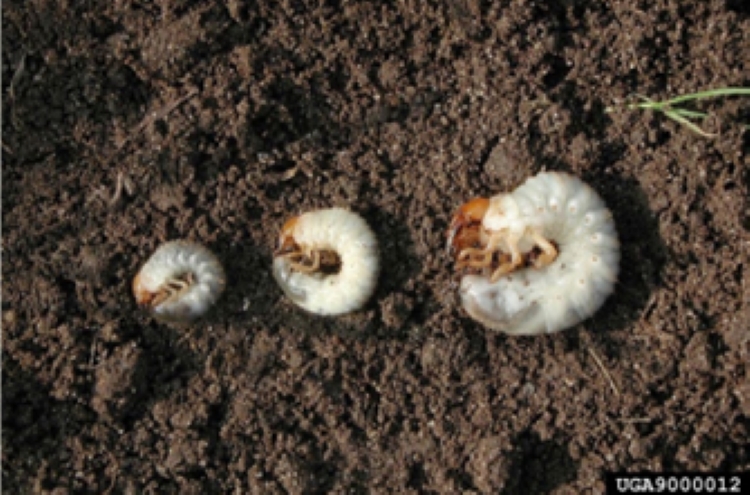
Photo by: Bugwood.org
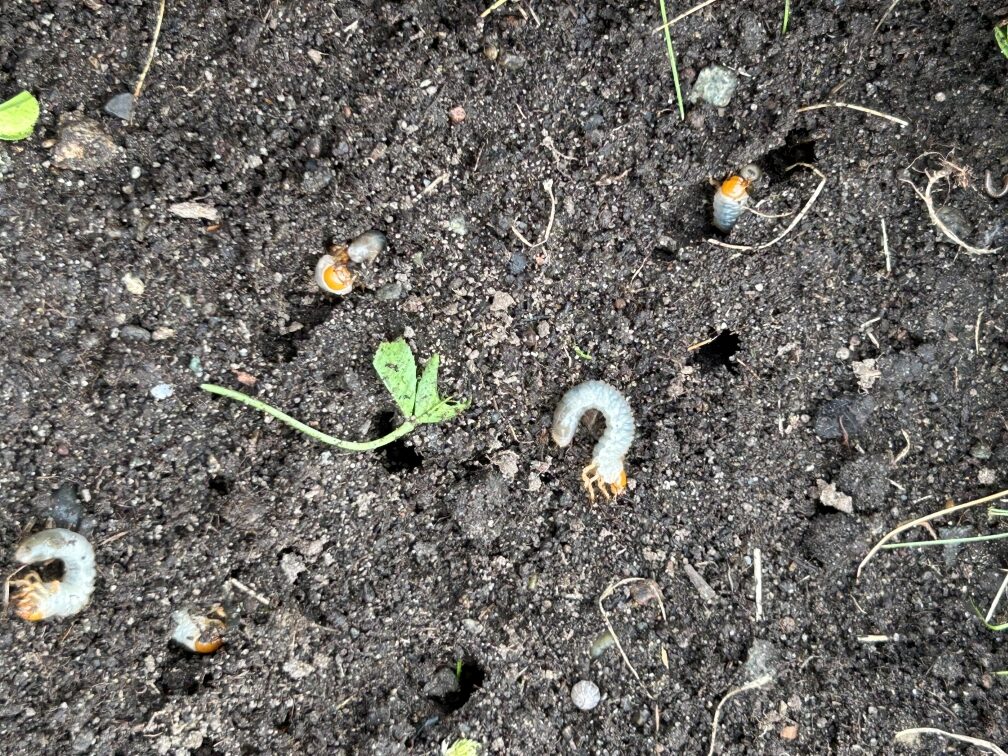
Photo by: Jim Kropf

Photo by: Todd Murray
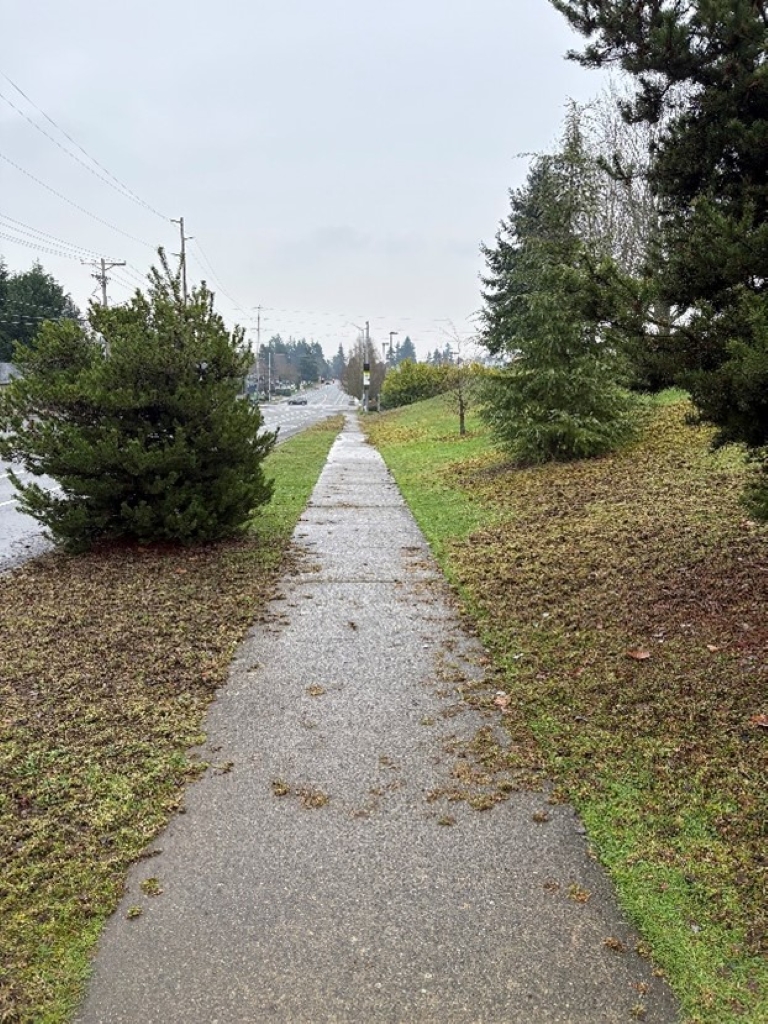
Photo by: Caitlin May

WSU Extension programs and employment are available to all without discrimination.
Evidence of noncompliance may be reported through your local Extension office.