Bees: Introduction

Photo by: J. Abel
Biology
Bees in North America are grouped into six families:
1. Colletidae (Polyester Bees)
2. Andrenidae (Mining Bees)
3. Halictidae (Sweat Bees)
4. Mellitidae (Oil-Collecting Bees),
5. Megachilidae (Leafcutter and Mason Bees)
6. Apidae (Bumble, Carpenter, Honey and Other Bees).
Oil-collecting bees (Mellitidae) are rarely seen in the United States and representatives of the other five families are most likely to be seen in the Pacific Northwest. Some of the most common bees seen in Washington State home gardens are discussed in the individual fact sheets.
Attracting and Keeping Natural Enemies
and Pollinators in Your Yard and Garden
- Native plants provide essential resources.
- Native flora also provides natural overwintering sites.
- Natural dispersion from nearby habitats ensures visitation.
- Some kinds of beneficial insects predatory mites are commercially available.
- Avoid regular use of synthetic, broad-spectrum pesticides.
- Infrequent use of certain narrow-spectrum pesticides is more compatible with some beneficials.
- Extensive lawns are also not conducive to attracting beneficial insects.
Management Options
See "Using Integrated Pest Management (IPM) in the Landscape" for successful problem management techniques.
Chemical Management
IMPORTANT: Always read and follow label directions when working with pesticides.
For more information on using pesticides visit :
- None recommended
Additional Images
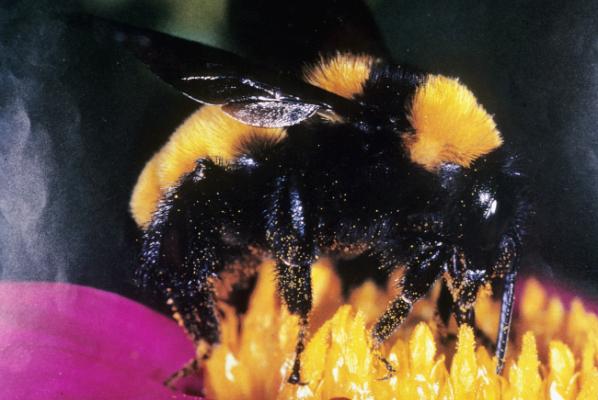
Photo by: L. Williams

Photo by: J. Abel
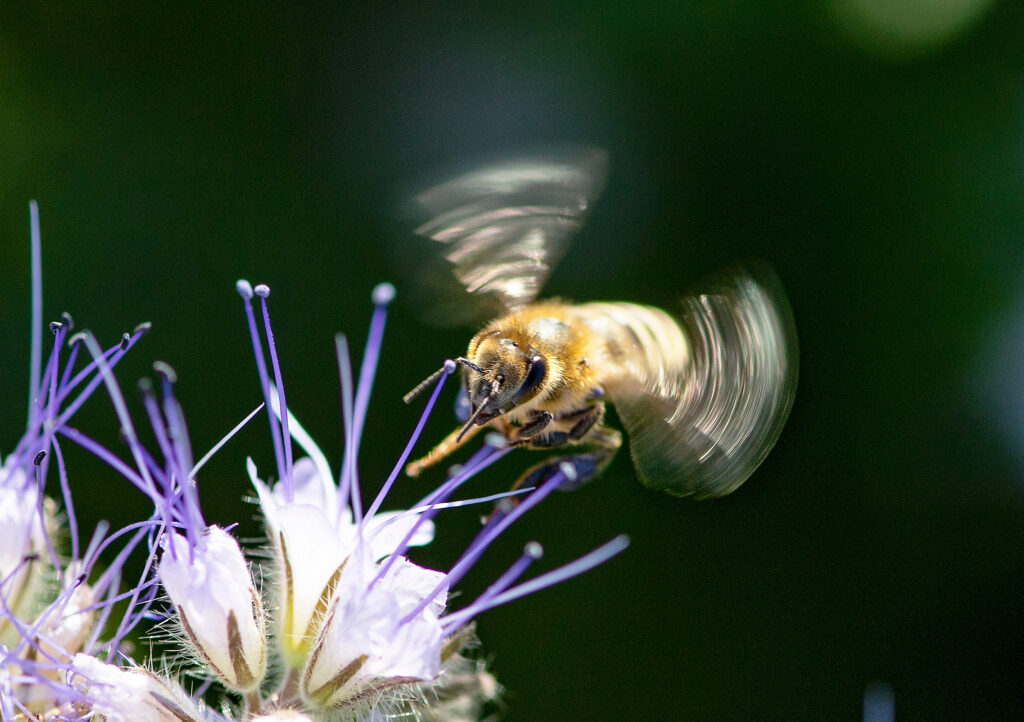
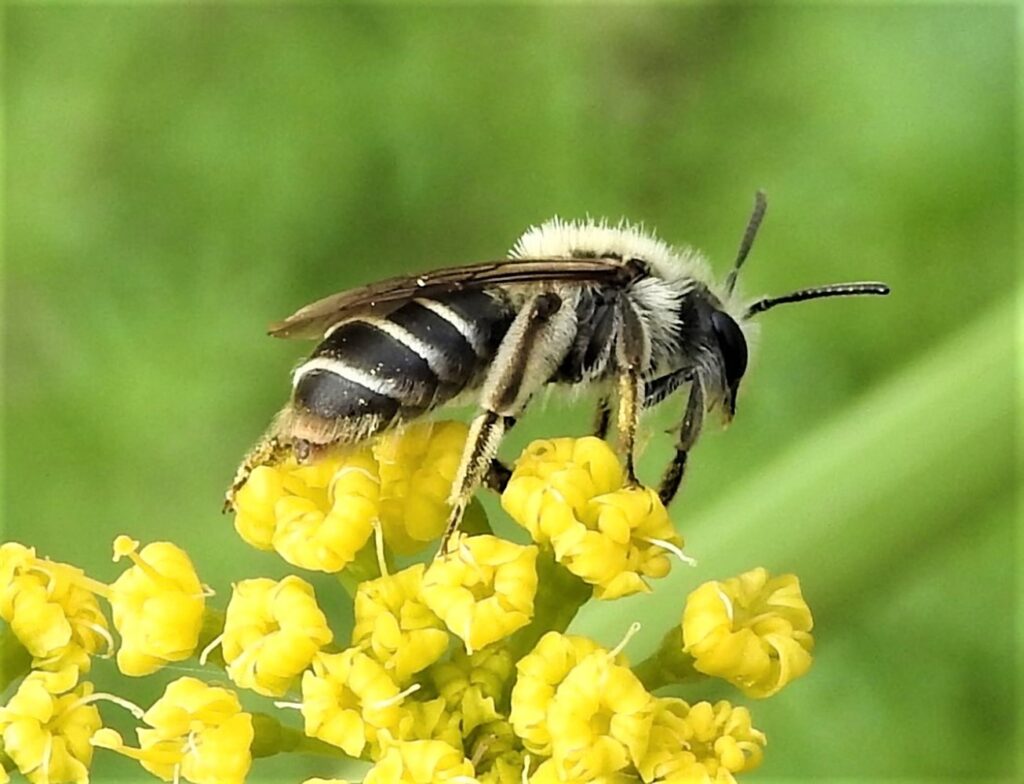
Photo by: D. James

Photo by: D. James

Photo by: D. James

Photo by: J. Abel

Photo by: J. Abel
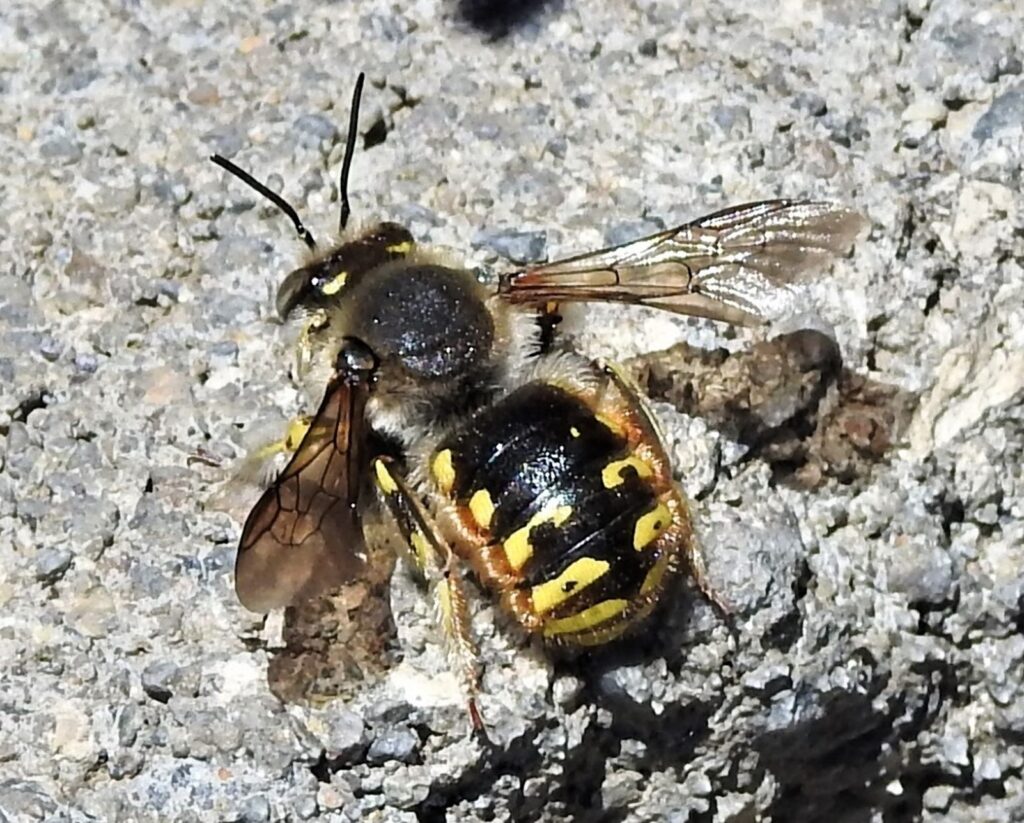
Photo by: D. James
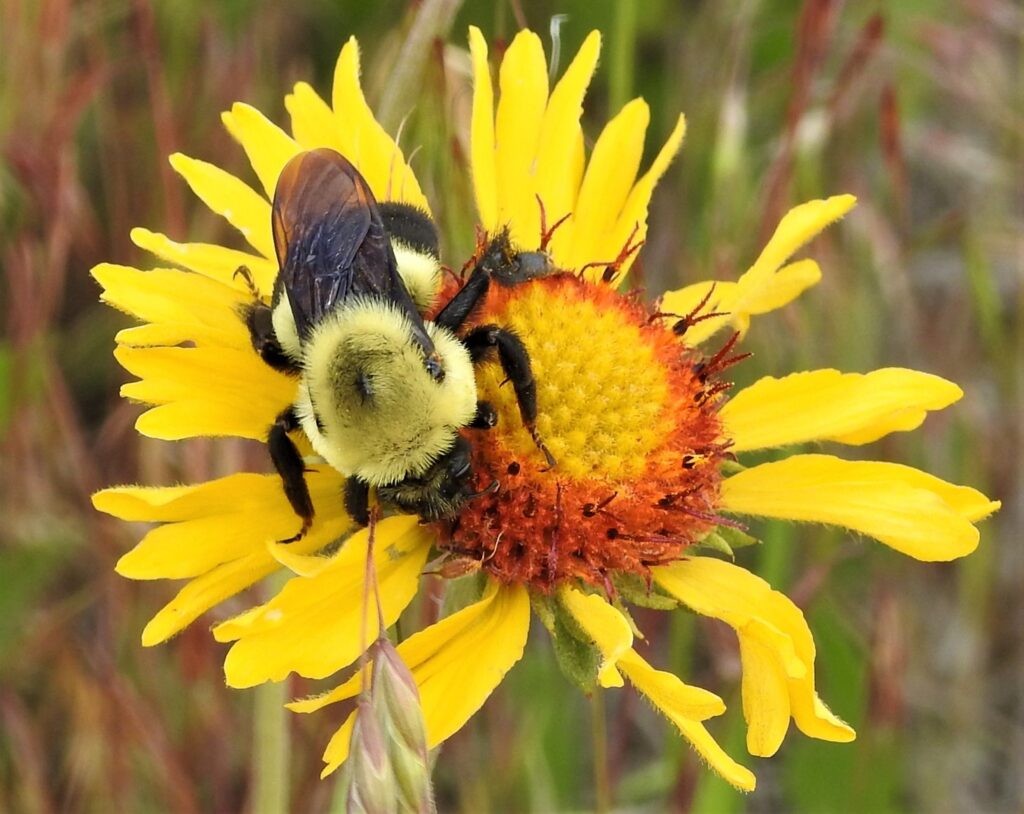
Photo by: D. James
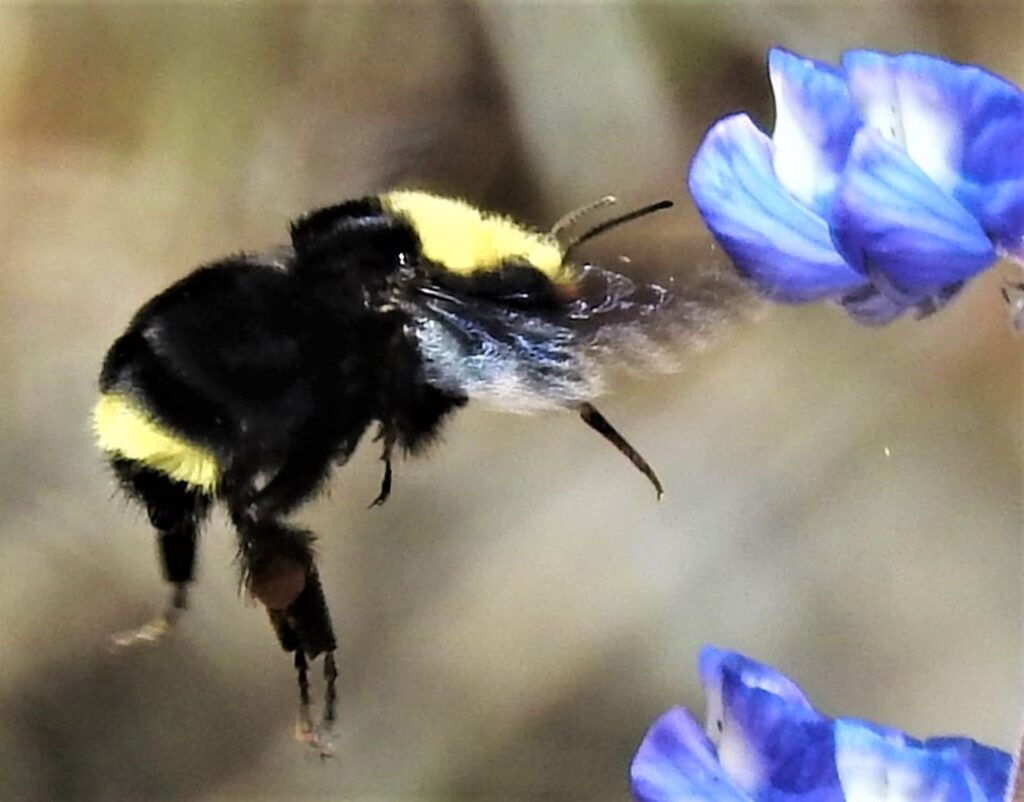
Photo by: D. James

Photo by: D. James

Photo by: K. Grey

Photo by: D. James
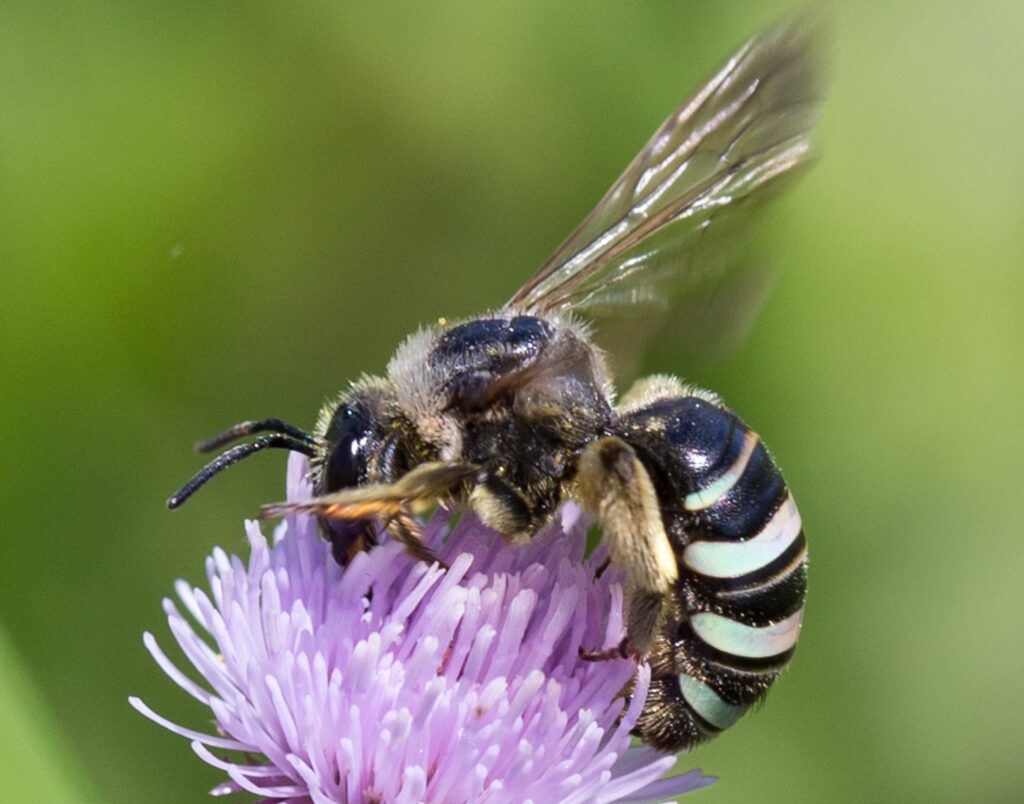
Photo by: J. Abel

Photo by: D. James

Photo by: J. Abel

Photo by: D. James

Photo by: D. James

WSU Extension programs and employment are available to all without discrimination.
Evidence of noncompliance may be reported through your local Extension office.